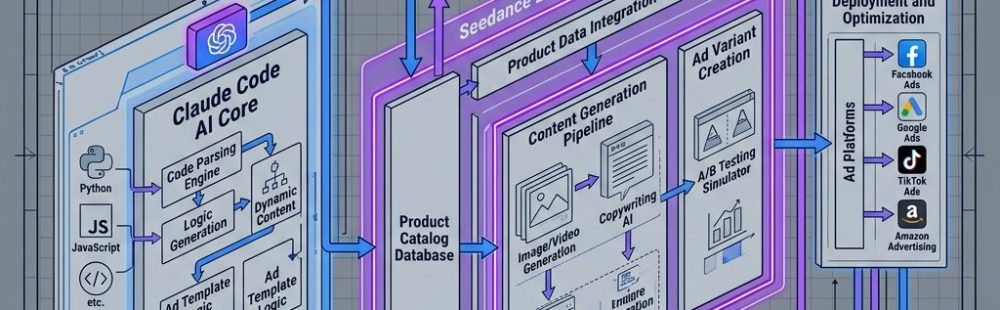
If you want to work like a high-level engineer (or scale your productivity as a solo dev), this framework acts like an operating system for decision-making, execution, and iteration. 🔹 1. Plan Node Default Before jumping into code: 👉 Key idea: Think first, code second. 🔹 2. Subagent Strategy Break complexity into smaller units: 👉
Tips and tricks
I would say generate 1-2 images to see if you like the settings. Than bigger batches to select the best. Also I would disable Hires. 🔧 1. Base Model Setup 👉 Why: SDXL performs best at higher native resolutions → better facial structure and fewer artifacts. 🎛️ 2. Sampler Settings ✅ Recommended (most stable realism)
One sentence that instantly improves any Claude conversation, borrowed from how GANs work The single most useful thing I’ve learned isn’t a prompt template It’s one sentence you can drop into any conversation at any point: Use a GAN-style thinking framework — give me specific critiques and concrete suggestions. When Claude feels too agreeable or

Developer Tools A practical look at the project structure, config files, and workflow patterns that actually make a difference. Most Claude Code tutorials show you the basics — install it, run a command, watch it write some code. That’s fine. But once you move past demos, you hit a wall. The default setup doesn’t scale.


Go to Chat GPT and ask for

AnimateDiff works as an extension on top of Stable Diffusion pipelines.The two most common setups are: 1️⃣ ComfyUI + AnimateDiff → most powerful (recommended)2️⃣ AUTOMATIC1111 WebUI + AnimateDiff → easier but less flexible Because you’re running an RTX 5070 Ti and you want character consistency and advanced control, the ComfyUI method is the best. Below